Laparoscopic vs. Traditional Hernia Surgery: Which is Right for You?
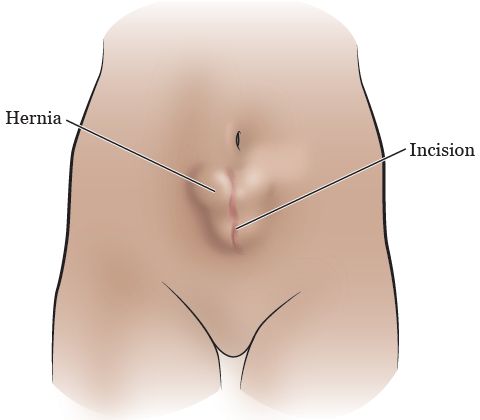
If you’ve been diagnosed with a hernia, one of the most important decisions you’ll face is choosing the right surgical approach for your repair. Two primary methods are available: laparoscopic surgery and traditional (open) surgery. Each has its advantages and disadvantages, and understanding these can help you make an informed choice that aligns with your needs. In this blog, we’ll compare the two approaches to help you determine which might be right for you.
Understanding the Procedures
Laparoscopic Surgery
Laparoscopic surgery, often called minimally invasive surgery, involves making a few small incisions in the abdomen. A laparoscope, a thin tube with a camera, allows the surgeon to view the surgical area on a monitor. Specialized instruments are used to repair the hernia without needing a large incision.
Traditional (Open) Surgery
Traditional hernia surgery involves a larger incision to access the hernia site directly. The surgeon repairs the hernia by pushing the protruding tissue back into place and may use mesh to reinforce the area. This method has been the standard approach for many years.
Comparing the Two Approaches
- Recovery Time
- Laparoscopic: Patients generally experience a faster recovery, often returning to normal activities within a few days. Many can go home the same day.
- Traditional: Recovery typically takes longer, with many patients needing several weeks before resuming normal activities.
- Pain and Discomfort
- Laparoscopic: Due to smaller incisions, patients usually report less postoperative pain and require less pain medication.
- Traditional: Patients may experience more pain due to the larger incision and the greater trauma to the abdominal tissues.
- Scarring
- Laparoscopic: The small incisions result in minimal scarring, which is often a consideration for patients.
- Traditional: A larger incision leads to more noticeable scarring.
- Risk of Complications
- Laparoscopic: Generally associated with a lower risk of complications, such as infections or bleeding, due to the minimally invasive nature of the procedure.
- Traditional: The larger incision may increase the risk of complications, including infections and longer recovery times.
- Effectiveness
- Both methods are effective for repairing hernias, and success rates are comparable. However, laparoscopic surgery may be associated with a lower recurrence rate for certain types of hernias.
- Suitability for Patients
- Laparoscopic: This approach may be ideal for patients who are generally healthy and prefer a quicker recovery with minimal scarring. It’s also a suitable option for those with recurrent hernias.
- Traditional: In some cases, open surgery may be more appropriate, particularly for larger hernias or patients with specific medical conditions that make laparoscopic surgery more complex.
Making the Decision
Choosing between laparoscopic and traditional hernia surgery depends on several factors:
- Hernia Type and Size: Some hernias may be more suited to one method over the other.
- Your Health: Consider your overall health, medical history, and any underlying conditions that may influence your surgical options.
- Surgeon’s Recommendation: Discuss your options with your surgeon, who can provide insights based on their experience and your specific situation.
Conclusion
Both laparoscopic and traditional hernia surgery have their benefits and drawbacks. Understanding the differences between the two approaches can empower you to make a more informed decision regarding your treatment. Always consult with a qualified healthcare professional to assess your options, discuss potential risks, and determine the best approach for your individual needs. With the right information and support, you can take a confident step toward a successful hernia repair and a healthier future.
📍 Visit Dr. Ankur Bhanushali – Laser & Laparoscopic Surgeon
1st Floor, Aayush Multispecialty Hospital, Marigold Apartment, Almeda Road, Panch Pakhdi, Thane West – 400602
🌐 Website: https://www.drankurbhanushali.com
📍 Google Maps: https://maps.app.goo.gl/3Msc7YZqVkV9mQMQ7
📧 Email: dr.ankur.bhanushali@gmail.com
🔗 Facebook: https://www.facebook.com/profile.php?id=61573840205822
🔗 Instagram: https://www.instagram.com/surgeon_dr_ankur_bhanushali
🔗 LinkedIn: https://www.linkedin.com/in/dr-ankur-bhanushali-b85aab2a6/