What to Expect During Your Laparoscopic Hernia Repair
If you’ve been diagnosed with a hernia and are considering laparoscopic repair, you might have questions about what the procedure entails and what to expect before, during, and after surgery. This blog will guide you through the entire process, helping to alleviate any concerns and prepare you for a smooth experience.
Before the Surgery
Consultation and Preparation
- Initial Consultation: Before the surgery, you will meet with your surgeon to discuss your diagnosis, treatment options, and any concerns you may have. This is a great time to ask questions about the procedure and recovery.
- Preoperative Instructions: Your surgeon will provide specific instructions to follow in the days leading up to your surgery, including dietary restrictions and medications to avoid.
- Health Assessment: You may need to undergo tests, such as blood work or imaging studies, to ensure you’re fit for surgery. Inform your healthcare team of any medications, allergies, or underlying health conditions.
Day of the Surgery
Arrival and Anesthesia
- Check-In: On the day of your surgery, arrive at the hospital or surgical center as instructed. You’ll check in, complete any necessary paperwork, and have a brief discussion with the surgical team.
- Anesthesia: Before the procedure, you’ll be taken to the operating room, where you’ll receive anesthesia. Most laparoscopic hernia repairs are performed under general anesthesia, ensuring you remain comfortable and pain-free during the surgery.
During the Surgery
The Laparoscopic Procedure
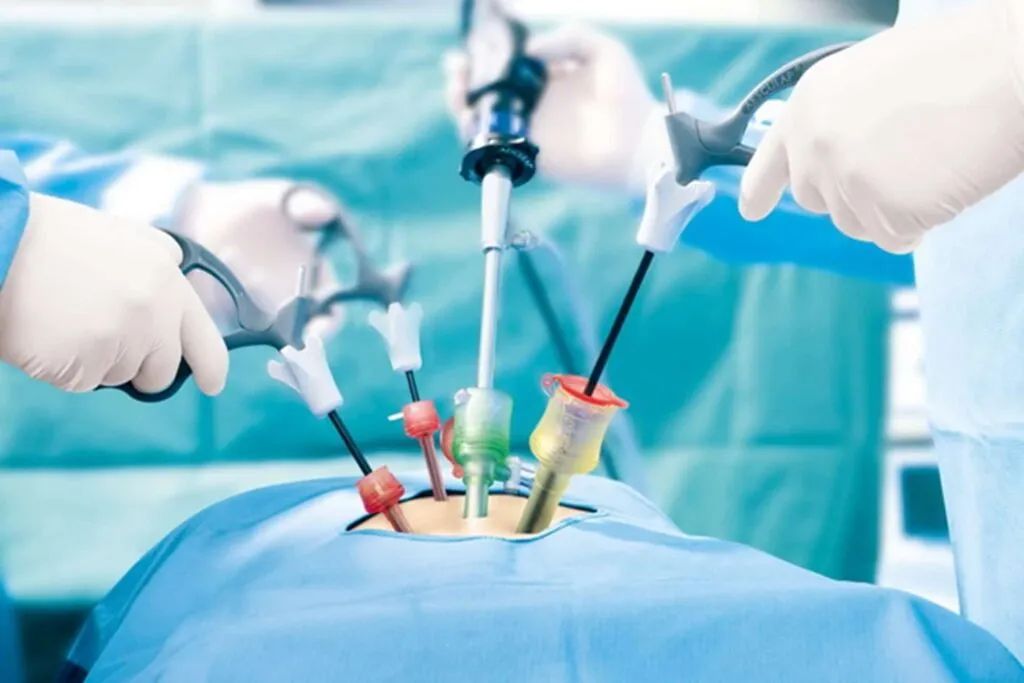
- Incisions: The surgeon will make a few small incisions in your abdomen, usually around three. These incisions are significantly smaller than those used in open surgery.
- Inserting Instruments: A laparoscope (a thin tube with a camera) will be inserted through one incision, allowing the surgeon to view the hernia and surrounding structures on a monitor. Other specialized instruments are introduced through the additional incisions.
- Repairing the Hernia: The surgeon will carefully push the protruding tissue back into its proper place. Often, a mesh material is used to reinforce the weakened area and prevent future hernias.
- Closing the Incisions: Once the repair is complete, the instruments are removed, and the incisions are closed using sutures or adhesive strips.
After the Surgery
Recovery and Care
- Postoperative Monitoring: After the surgery, you will be taken to a recovery area where healthcare professionals will monitor your vital signs and ensure you’re waking up comfortably from anesthesia.
- Pain Management: You may experience some discomfort or pain, which can usually be managed with prescribed pain medications. Don’t hesitate to communicate your pain levels to the staff.
- Discharge Instructions: Once you’re stable and ready, you’ll receive instructions on how to care for your incisions, manage pain, and what activities to avoid during your recovery.
- Follow-Up Appointment: A follow-up appointment will typically be scheduled within a few weeks to monitor your healing and address any concerns.
What to Expect in the Days Following Surgery
- Activity Restrictions: You’ll be advised to avoid heavy lifting, strenuous activities, and driving for a short period. Light walking is encouraged to promote circulation.
- Dietary Considerations: You may start with a light diet and gradually return to your normal eating habits as tolerated. Staying hydrated is important.
- Incision Care: Keep the incision sites clean and dry. Follow your surgeon’s instructions regarding bathing and dressing changes.
- Signs of Complications: Be aware of signs of infection, such as increased redness, swelling, or drainage at the incision site, as well as fever or severe pain. Contact your healthcare provider if you notice any concerning symptoms.
Conclusion
Laparoscopic hernia repair is a safe and effective procedure that can significantly improve your quality of life with minimal downtime. Understanding what to expect can help you feel more confident and prepared for the journey ahead. Always communicate openly with your healthcare team and don’t hesitate to ask questions to ensure a smooth experience.
By choosing laparoscopic surgery, you’re taking a step toward a quicker recovery and a return to your daily activities. With proper care and attention, you’ll be on the path to healing in no time!