Types of Fistula
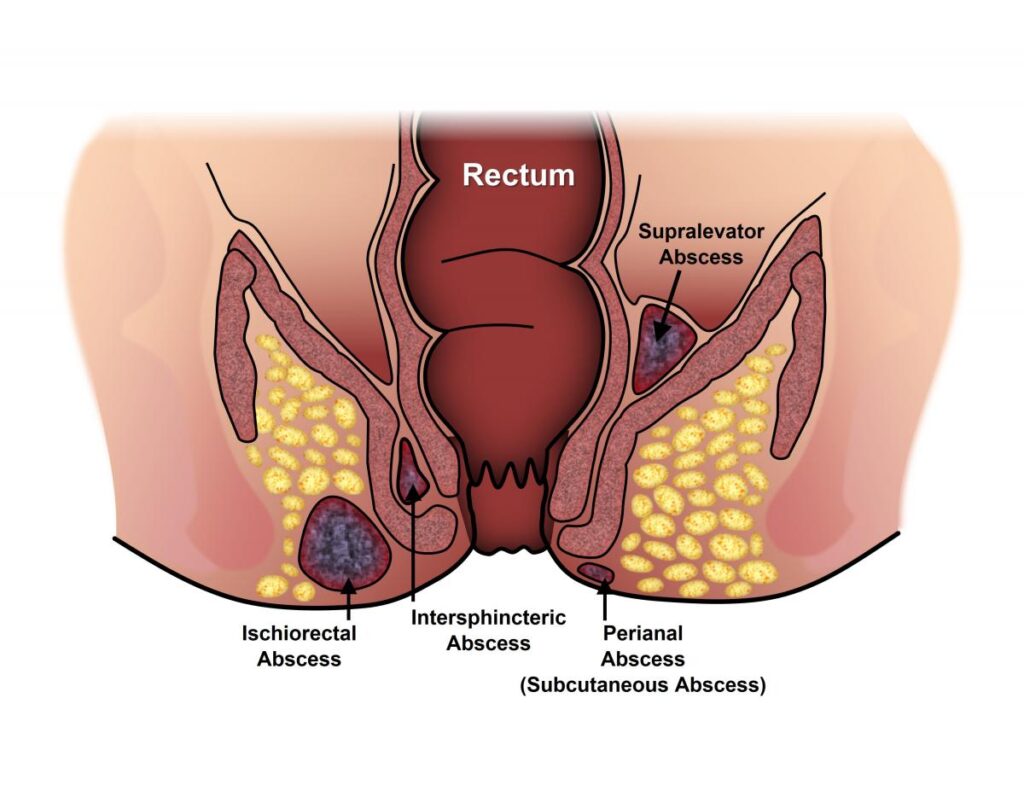
If you’ve ever heard the term fistula and felt confused or worried, you’re not alone. Many people are unsure about what it really means. Simply put, a fistula is a small tunnel or connection that shouldn’t exist — it forms between two parts of the body, usually due to infection, surgery, or inflammation.
One of the most common types is the anal fistula, but there are several others that can affect different areas of the body. Let’s break it down so it’s easier to understand — and a little less scary.
1. Anal Fistula
This is the one most people have heard of. It usually develops after an infection near the anus that forms an abscess. Once that abscess drains or bursts, it can leave behind a small track or tunnel that causes pain, swelling, or ongoing discharge. It’s not just uncomfortable — it can really affect your daily life.
2. Perianal Fistula
A type of anal fistula, but it opens right near the skin around the anus. These can keep draining pus or fluid, and the area may become red, sore, and irritated. The discomfort while sitting or walking is hard to ignore.
3. Enterocutaneous Fistula
This type forms between the intestines and the skin. It may sound rare, but it can happen after certain surgeries or due to conditions like Crohn’s disease. Sometimes, people notice unusual drainage from the skin, and it’s important to get help quickly.
4. Rectovaginal Fistula
This affects women and forms between the rectum and vagina. It might cause gas or stool to leak from the vaginal opening. Many women feel embarrassed or frustrated — but this can be treated, and you don’t have to suffer in silence.
5. Vesicovaginal Fistula
Another condition that mostly affects women. It’s a connection between the bladder and the vagina, which can lead to constant urine leakage. Often caused by childbirth injuries or pelvic surgery, but with the right help, it can be fixed.
6. Colovesical Fistula
This one connects the colon and the bladder. If you’ve had frequent urinary tract infections, or noticed something unusual like air or stool in your urine, this might be the cause. It’s not something to ignore.
So… What Can You Do?
Fistulas don’t heal on their own. But the good news? They can be treated safely and effectively, especially with laser surgery. It’s modern, minimally invasive, and doesn’t involve big cuts or long hospital stays. Most patients go home the same day — and feel a whole lot better.
Where to Go for Help in Thane
If you’re facing any of the symptoms we mentioned — or if you’ve been diagnosed with a fistula and don’t know what to do next — Dr. Ankur Bhanushali is here to help.
He’s a trusted laser and laparoscopic surgeon in Thane who has helped many patients recover and live pain-free again. You’ll be treated with care, respect, and the latest techniques for better, faster healing.
📍 Dr. Ankur Bhanushali – Laser & Laparoscopic Surgeon
1st Floor, Aayush Multispecialty Hospital, Marigold Apartment, Almeda Road, Panch Pakhdi, Thane West – 400602
🌐 Website: https://www.drankurbhanushali.com
📍 GMB: https://maps.app.goo.gl/3Msc7YZqVkV9mQMQ7
📧 Email: dr.ankur.bhanushali@gmail.com
🔗 Facebook: https://www.facebook.com/profile.php?id=61573840205822
🔗 Instagram: https://www.instagram.com/surgeon_dr_ankur_bhanushali
🔗 LinkedIn: https://www.linkedin.com/in/dr-ankur-bhanushali-b85aab2a6/
Don’t wait for things to get worse. If you’re experiencing discomfort, leakage, or repeated infections, book a consultation today. The right care can bring you real relief — and peace of mind.