Common Myths About Hernia Laparoscopy Debunked
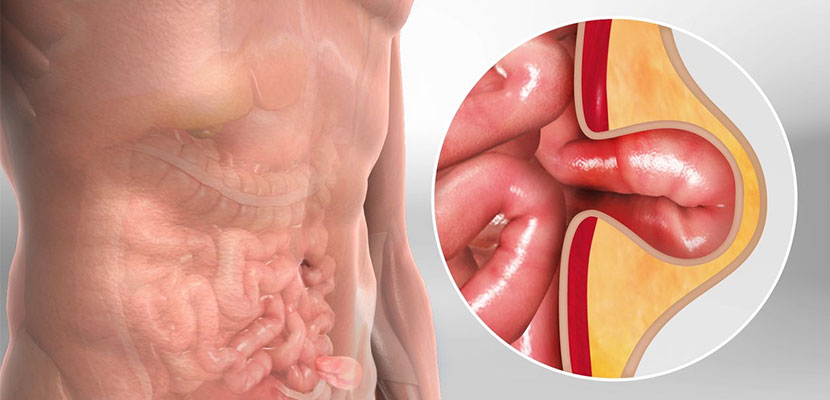
Hernias are a common medical condition that often requires surgical intervention, and laparoscopic surgery has emerged as a popular option for repair. However, several misconceptions surround this minimally invasive technique. In this blog, we will debunk some of the most common myths about laparoscopic hernia surgery to provide clarity and help you make informed decisions about your health.
Myth 1: Laparoscopic Surgery is Only for Minor Hernias
Fact: Laparoscopic surgery is effective for various types of hernias, including inguinal, umbilical, and incisional hernias, regardless of their size. Surgeons often prefer laparoscopic techniques for larger or recurrent hernias due to the enhanced visualization and precision it provides.
Myth 2: Laparoscopic Surgery is More Dangerous
Fact: While every surgical procedure carries risks, laparoscopic surgery is generally associated with lower complication rates compared to traditional open surgery. The minimally invasive nature of laparoscopic techniques typically results in reduced trauma to surrounding tissues, leading to a lower risk of infections and bleeding.
Myth 3: Recovery is More Complicated After Laparoscopic Surgery
Fact: In fact, recovery is usually quicker and easier after laparoscopic surgery. Patients often experience less pain, shorter hospital stays, and a faster return to normal activities compared to those who undergo traditional open surgery. Most patients can resume light activities within a few days.
Myth 4: You’ll Have Significant Scarring
Fact: One of the benefits of laparoscopic surgery is the minimal scarring it leaves behind. The small incisions (usually 0.5 to 1 cm) required for the procedure result in much less visible scars compared to the larger incision made in open surgery.
Myth 5: Laparoscopic Surgery is More Expensive
Fact: While the initial costs of laparoscopic surgery may appear higher due to specialized instruments and technology, the overall expenses can be lower when considering shorter hospital stays, less pain medication, and quicker recovery times. Patients may find they return to work sooner, reducing lost wages and increasing productivity.
Myth 6: Laparoscopic Surgery is Only for Younger Patients
Fact: Age alone should not determine surgical options. Many older patients are excellent candidates for laparoscopic surgery, as long as they are in good health. The benefits of a minimally invasive approach can be particularly advantageous for older adults, who may be more susceptible to complications from traditional surgery.
Myth 7: You Can’t Use Mesh in Laparoscopic Surgery
Fact: In fact, mesh is commonly used in laparoscopic hernia repair, just as it is in traditional surgery. The mesh provides additional support to the weakened area and helps reduce the risk of recurrence. Surgeons will choose the best approach based on the specific case and patient needs.
Myth 8: All Surgeons Are Equally Trained in Laparoscopic Techniques
Fact: Not all surgeons have the same level of expertise in laparoscopic surgery. It’s essential to choose a surgeon who is specifically trained and experienced in laparoscopic hernia repair. Researching credentials and discussing experience with your healthcare provider can help ensure you receive the best care.
Conclusion
Understanding the facts behind laparoscopic hernia surgery can help dispel the myths that may cause unnecessary fear or hesitation. If you’re facing a hernia diagnosis and considering your treatment options, consult with a qualified surgeon who can provide you with accurate information and personalized recommendations. By addressing these misconceptions, you can make informed decisions about your health and feel more confident in your treatment journey.
You said:
Navigating the Postoperative Journey After Laparoscopic Hernia Repair make blog of this
ChatGPT said:
Navigating the Postoperative Journey After Laparoscopic Hernia Repair
Undergoing laparoscopic hernia repair is a significant step toward regaining comfort and health. However, the journey doesn’t end with the surgery; the postoperative phase is crucial for ensuring a smooth recovery. In this blog, we’ll guide you through what to expect after your laparoscopic hernia repair and provide tips for navigating your recovery effectively.
What to Expect Immediately After Surgery
- Recovery Room: After your surgery, you’ll be taken to a recovery room where medical staff will monitor you as you wake up from anesthesia. You may feel groggy or disoriented, which is completely normal.
- Pain Management: Some discomfort is expected after surgery. Pain management is a key focus; your healthcare team will provide you with medications to help control any pain you may experience.
- Observation: You’ll be observed for a few hours to ensure that you’re stable. Once you meet certain criteria, you may be discharged home, often on the same day as your surgery.
Preparing for Home Recovery
- Arrange for Help: It’s advisable to have a family member or friend available to assist you during the first few days post-surgery. They can help with daily tasks and provide support as you rest and recover.
- Set Up a Comfortable Recovery Space: Create a cozy area at home where you can relax. Make sure you have everything you need within reach, such as medications, water, snacks, and entertainment options.
- Follow Discharge Instructions: Upon leaving the hospital, you’ll receive detailed instructions regarding your care. Be sure to follow these guidelines carefully, as they are tailored to your specific needs.
The First Few Days at Home
- Rest and Recuperate: Prioritize rest during the first few days after surgery. Your body needs time to heal, and listening to your body is crucial. Avoid strenuous activities and heavy lifting.
- Manage Pain: Continue taking any prescribed pain medications as directed. If you experience excessive pain, consult your healthcare provider.
- Stay Hydrated and Nourished: Focus on eating light, nutritious meals and drinking plenty of water. Proper nutrition aids in healing and can help alleviate any postoperative constipation.
Incision Care
- Keep Incisions Clean and Dry: Follow your surgeon’s instructions on how to care for your incisions. Typically, you’ll need to keep the area clean and dry to prevent infection.
- Monitor for Signs of Infection: Keep an eye out for any unusual symptoms, such as increased redness, swelling, or drainage from the incision site. If you notice any concerning signs, contact your healthcare provider immediately.
Gradual Return to Activities
- Light Activity: After a few days of rest, you can start incorporating light activities, such as short walks, to promote circulation and prevent blood clots.
- Avoid Strenuous Activities: For at least four to six weeks, avoid heavy lifting, vigorous exercise, and high-impact activities. Follow your surgeon’s guidelines regarding when you can safely return to normal activities.
- Listen to Your Body: Pay attention to how you feel. If an activity causes pain or discomfort, stop and rest. Gradually increase your activity level as your body allows.
Follow-Up Appointments
- Schedule Your Follow-Up: A follow-up appointment will typically be scheduled within a few weeks post-surgery. This is an essential part of your recovery, as your surgeon will assess your healing progress and address any concerns.
- Discuss Any Concerns: Use this appointment to ask questions or discuss any symptoms you may have experienced since surgery. Open communication with your healthcare provider is key to a successful recovery.
Conclusion
Navigating the postoperative journey after laparoscopic hernia repair is a vital part of your recovery process. By following the guidelines provided by your healthcare team, prioritizing rest, and gradually returning to your normal activities, you can promote healing and ensure a smoother transition back to your everyday life. Remember, each recovery is unique, so be patient with yourself and don’t hesitate to reach out to your healthcare provider if you have any questions or concerns along the way. With the right care and attention, you’ll be on your way to feeling better in no time!
📍 Visit Dr. Ankur Bhanushali – Laser & Laparoscopic Surgeon
1st Floor, Aayush Multispecialty Hospital, Marigold Apartment, Almeda Road, Panch Pakhdi, Thane West – 400602
🌐 Website: https://www.drankurbhanushali.com
📍 Google Maps: https://maps.app.goo.gl/3Msc7YZqVkV9mQMQ7
📧 Email: dr.ankur.bhanushali@gmail.com
🔗 Facebook: https://www.facebook.com/profile.php?id=61573840205822
🔗 Instagram: https://www.instagram.com/surgeon_dr_ankur_bhanushali
🔗 LinkedIn: https://www.linkedin.com/in/dr-ankur-bhanushali-b85aab2a6/