The Role of Surgical Mesh in Laparoscopic Hernia Repairs
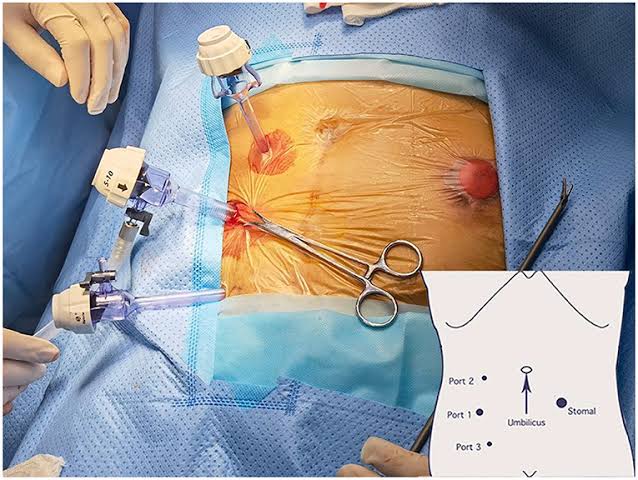
Laparoscopic hernia repair has become a preferred method for treating hernias due to its minimally invasive nature and quicker recovery times. A key component of many laparoscopic hernia repairs is the use of surgical mesh. In this blog, we’ll explore what surgical mesh is, its role in hernia repairs, and the benefits and considerations associated with its use.
What is Surgical Mesh?
Surgical mesh is a medical device made from synthetic or biological materials used to reinforce weakened or damaged tissue. It acts as a support structure, helping to hold the surrounding tissues together after a hernia repair. The mesh can be permanent or absorbable, depending on the type and the specific needs of the patient.
The Role of Surgical Mesh in Laparoscopic Hernia Repairs
- Reinforcement of Weakened Tissue
The primary function of surgical mesh is to provide additional support to the abdominal wall where the hernia occurred. By reinforcing the area, the mesh helps to prevent the hernia from recurring, which is a common concern after repair.
- Facilitation of Tissue Integration
Surgical mesh is designed to promote tissue integration. Over time, the body’s natural tissue grows into the mesh, further securing it in place and enhancing stability. This process can help create a stronger repair compared to sutures alone.
- Minimization of Recurrence
The use of mesh has been shown to significantly reduce the risk of hernia recurrence. Studies indicate that mesh reinforcement can lead to lower rates of recurrence compared to repairs that do not utilize mesh.
- Adaptability to Various Hernia Types
Surgical mesh can be tailored for different types of hernias, including inguinal, umbilical, and incisional hernias. Its versatility allows surgeons to select the appropriate mesh based on the specific characteristics of the hernia and the patient’s anatomy.
Benefits of Using Surgical Mesh
- Reduced Recovery Time
The incorporation of mesh in laparoscopic repairs often leads to faster recovery times. Patients can typically return to normal activities sooner than those who undergo traditional repair methods without mesh.
- Less Postoperative Pain
Studies have indicated that using mesh can lead to reduced postoperative pain. The mesh provides a stable structure that minimizes tension on the surrounding tissues, contributing to a more comfortable recovery experience.
- Decreased Surgical Complications
Surgical mesh is associated with lower complication rates, such as seromas (fluid accumulation) and infections, when compared to traditional suturing techniques.
Considerations and Potential Risks
While surgical mesh offers numerous benefits, it’s essential to be aware of potential risks and complications:
- Adverse Reactions: Some patients may experience an adverse reaction to the mesh material, leading to discomfort or complications. This is rare but can occur, particularly with certain types of synthetic mesh.
- Migration or Erosion: In rare cases, the mesh may migrate from its original placement or erode into surrounding tissues, potentially requiring additional surgery.
- Long-Term Monitoring: Patients who receive mesh implants may need long-term follow-up to monitor for any complications or changes in their condition.
Conclusion
Surgical mesh plays a vital role in the success of laparoscopic hernia repairs by providing reinforcement, reducing the risk of recurrence, and facilitating quicker recovery. While it offers many benefits, it’s essential for patients to discuss the potential risks and benefits with their healthcare provider. If you’re considering laparoscopic hernia repair, understanding the role of surgical mesh can help you make informed decisions about your treatment. With proper care and monitoring, many patients enjoy successful outcomes and a return to their daily activities after surgery.
📍 Visit Dr. Ankur Bhanushali – Laser & Laparoscopic Surgeon
1st Floor, Aayush Multispecialty Hospital, Marigold Apartment, Almeda Road, Panch Pakhdi, Thane West – 400602
🌐 Website: https://www.drankurbhanushali.com
📍 Google Maps: https://maps.app.goo.gl/3Msc7YZqVkV9mQMQ7
📧 Email: dr.ankur.bhanushali@gmail.com
🔗 Facebook: https://www.facebook.com/profile.php?id=61573840205822
🔗 Instagram: https://www.instagram.com/surgeon_dr_ankur_bhanushali
🔗 LinkedIn: https://www.linkedin.com/in/dr-ankur-bhanushali-b85aab2a6/